

 See My Latest Article on HelloNation
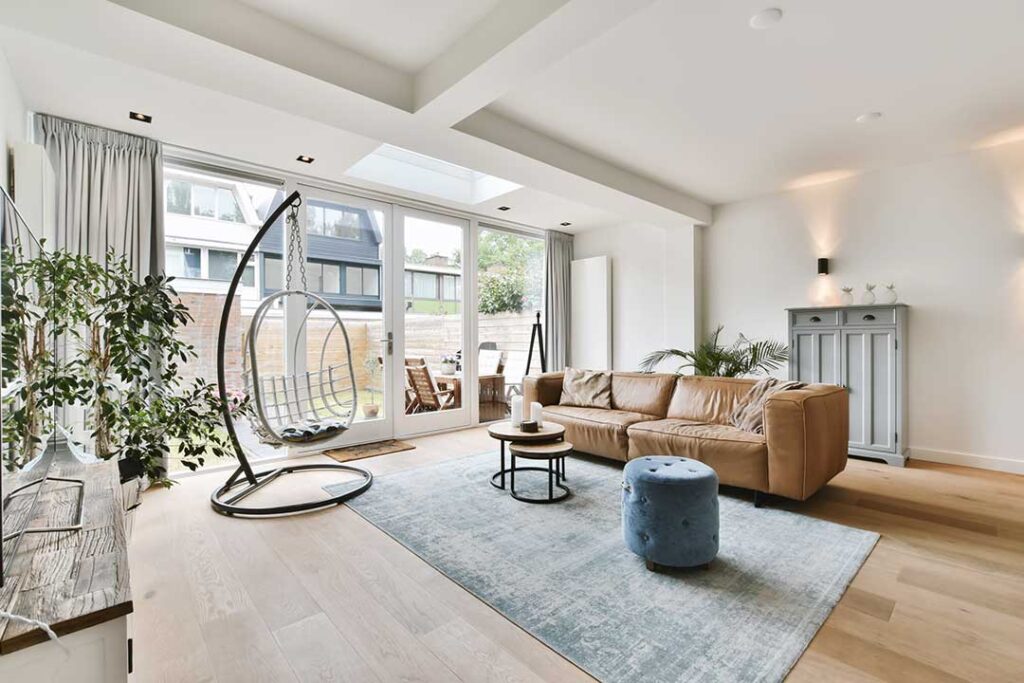
Virtual tours are changing how people research homes before deciding which properties deserve an in-person visit. Instead of relying only on photographs and brief descriptions, buyers can move through a digital representation of a home, study room connections, and compare properties from nearly anywhere.
For sellers and residents evaluating homes, virtual tours are most useful as an early decision-making tool. They can save time, improve preparation, and reveal details that traditional listing photos may leave unclear. They are not a replacement for visiting a property, but they can make that visit more focused and productive.
What is a virtual tour in real estate?
A virtual tour is a digital presentation that allows viewers to explore a home through interactive images, panoramic views, video, or a connected series of rooms. Some tours are simple video walkthroughs. Others use 360-degree photography that lets viewers look in different directions and move from one point in the home to another.
The main formats include:
- Video walkthroughs: A camera moves through the home while showing room layouts and features.
- 360-degree tours: Viewers can rotate their perspective and move between designated points.
- Three-dimensional tours: Digital models create a more immersive experience and may include room measurements or floor-plan views.
- Floor-plan-based tours: A home’s layout is presented alongside photos or connected viewing points.
These formats serve different purposes. A video may communicate the feel of a space, while an interactive tour may make it easier to understand how rooms connect.
Why are buyers using virtual tours before visiting?
Virtual tours help buyers narrow their choices before spending time traveling to multiple properties. A listing may appear attractive in still photographs but feel less suitable once the viewer sees the room proportions, hallway placement, storage areas, or relationship between indoor and outdoor spaces.
This can be especially useful for households comparing homes with different layouts. A viewer may be able to identify whether a first-floor bedroom is near the main living area, whether a basement connects conveniently to the rest of the home, or whether a kitchen opens directly into a dining or family room.
Virtual tours can also help people who are:
- Reviewing homes outside their immediate area
- Coordinating a search with family members
- Managing work, school, or caregiving responsibilities
- Comparing several properties before arranging visits
- Revisiting a home after an initial showing
The result is often a more deliberate in-person search. Rather than visiting every available property, buyers can focus on homes that appear to match their actual needs.
How do virtual tours help people understand a home’s layout?
Still photographs show individual views, but they do not always explain how rooms relate to each other. A virtual tour provides a stronger sense of sequence and circulation.
For example, a viewer can observe whether the entry opens toward a staircase, whether the living room feels separated from the kitchen, or whether a bedroom sits near a noisy central area. The tour may also make it easier to evaluate sightlines, natural transitions, and the amount of furniture a room can reasonably accommodate.
Measurements, when included, can add useful context. They may help a viewer consider whether a sectional sofa, home office, exercise equipment, or dining table could fit. Measurements should still be verified before a purchase decision, because digital models and listing data can contain errors.
What can virtual tours reveal that photos often miss?
A well-produced tour may reveal practical details that are difficult to communicate through carefully selected images. These can include:
- Narrow passageways or unusual room shapes
- The distance between the garage, entry, kitchen, and storage areas
- The amount of natural light at the time of filming
- How open or divided the main living spaces feel
- The location of closets, utility rooms, and secondary entrances
- Transitions between flooring materials
- The connection between indoor rooms and outdoor spaces
For homes with basements, attached garages, screened areas, patios, or larger lots, the ability to move through connected spaces can be particularly helpful. In a community with a mix of established neighborhoods, newer construction, and different home styles, layout differences may matter as much as the number of bedrooms.
A tour can also reveal limitations. Camera angles may make a small room appear larger, and wide-angle lenses can distort proportions. Viewers should treat the tour as a screening tool rather than a precise inspection.
Are virtual tours useful for sellers?
Virtual tours can give prospective buyers more information before they request a showing. This may reduce visits from people who already know that a home’s layout, stairs, storage, or room dimensions do not fit their needs.
The process also encourages better preparation. Clutter, blocked walkways, dim lighting, and unfinished maintenance are more apparent when viewers can examine a space from several angles. Seasonal conditions may affect how a home is presented as well. Snow, muddy ground, leafless landscaping, or limited daylight can change how exterior areas appear in a digital tour.
A virtual tour should present the home accurately rather than attempt to hide flaws. Misleading editing, excessive wide-angle views, or omitted areas can create disappointment and undermine confidence during an in-person visit.
Can a virtual tour replace an in-person showing?
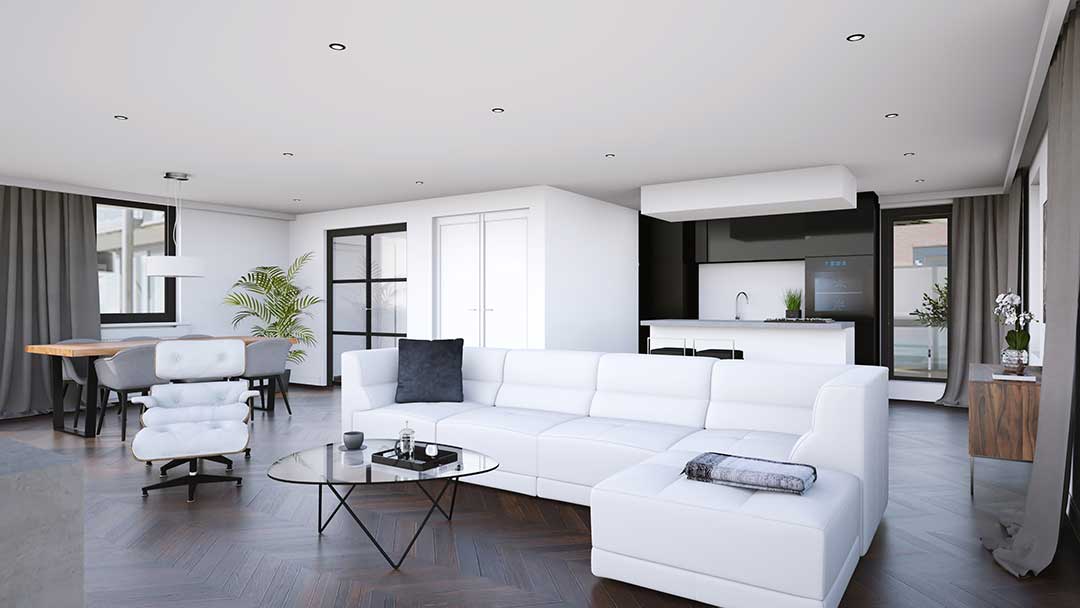
No. A virtual tour can support a decision, but it cannot replace physical observation of the property and surrounding setting.
An in-person visit allows buyers to evaluate factors that digital media cannot reliably capture, such as:
- Street noise and nearby activity
- Odors, ventilation, and indoor air quality
- Temperature differences between rooms
- Stair comfort and floor movement
- Water staining, surface wear, or signs of moisture
- Window operation and natural sound levels
- Outdoor drainage and the condition of walking surfaces
For homes in a four-season climate, exterior conditions can change substantially between a virtual tour and a visit. Drainage, roof runoff, snow storage, landscaping, and the condition of driveways or patios may require direct observation at an appropriate time.
A property inspection remains separate from both a virtual tour and a standard showing. Digital media cannot assess structural systems, mechanical equipment, electrical components, or hidden defects.
How should buyers evaluate a virtual tour?
Viewers should watch actively instead of treating the tour as entertainment. It helps to pause at room transitions, compare the digital layout with the written listing, and write down questions for a later visit.
Useful questions include:
- Are all rooms and levels included?
- Are measurements provided, and do they appear consistent?
- Is the camera height making ceilings or rooms seem larger?
- Are windows, closets, utility spaces, and exterior areas shown?
- Does the tour show the home as it is currently arranged?
- Are there noticeable areas that the camera skips?
It is also useful to view the tour on a larger screen when possible. A phone can be convenient, but a computer or tablet may make floor plans, room connections, and small details easier to assess.
What is the long-term effect on real estate searches?
Virtual tours are making property research more efficient and more information-based. Buyers can eliminate unsuitable homes earlier, compare layouts more carefully, and arrive at showings with more specific questions.
The technology also changes expectations. People increasingly want a clear understanding of a home’s flow, condition, and usable space before investing time in a visit. That makes accuracy more valuable than polished presentation.
For local households, the practical lesson is straightforward: use virtual tours to understand a property’s layout and decide whether it deserves closer attention, then use an in-person visit and appropriate due diligence to evaluate the home fully.